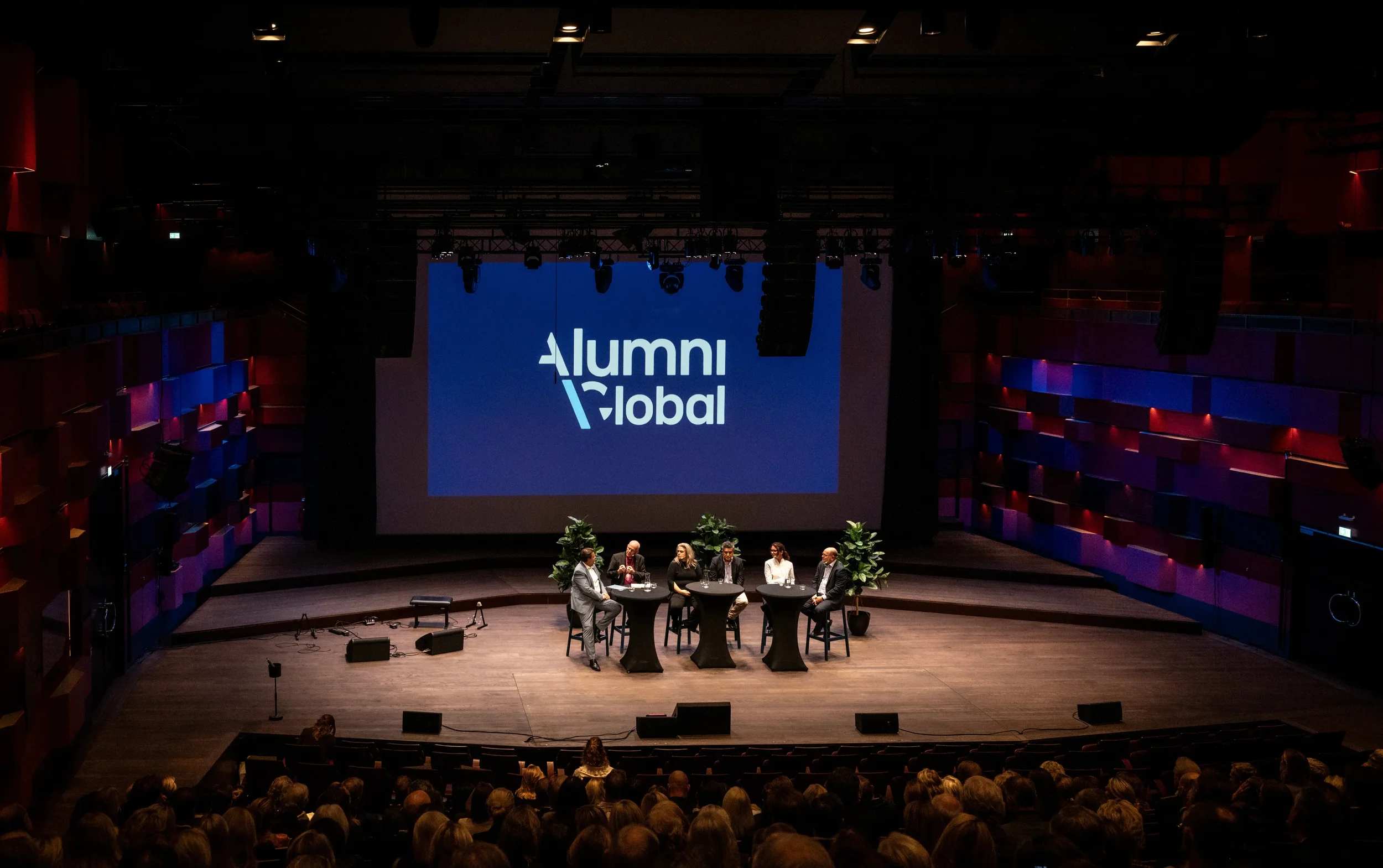
Across Öresund: One Market for Leadership
Connected not only by infrastructure but by the movement of people, ideas, investment and expertise, southern Sweden and eastern Denmark show what cross-border collaboration can look like when it becomes part of everyday business life. The result is a dynamic regional market where organisations can draw on a broader mix of talent, experience and leadership perspectives — and build leadership teams that better reflect the diversity of their markets, operations and stakeholders. The region is a shining example that leads the way at a time when European nations are also striving to work more closely together.
For companies, the Öresund region’s connected, cross-border talent market creates an opportunity to look beyond national boundaries when building leadership teams. For leaders, it calls for the ability to understand neighbouring markets that are closely connected yet culturally distinct. Öresund cooperation is more than an ambition. It is a tangible example of modern cross-border collaboration, and a source of inspiration as European countries seek closer ways of working together. With Europe seeking to create larger markets, stronger innovation environments and fewer barriers to mobility, investment and cross-border collaboration, the Öresund region offers a practical example of how greater integration can work and lead the way.
By connecting the two sides of Öresund, the bridge has helped create a cross-border metropolitan region of 4.5 million people, home to several leading universities and major companies including Alfa Laval, Vestas, AAK and Novo Nordisk with operations on both sides of the strait. Regional figures further support the picture of an increasingly connected market. The Öresundsindex has continued to improve, while the first half of 2026 brought record levels of passengers and commuter journeys across Öresund. This growing movement matters for the leadership market. Organisations increasingly operate across national boundaries, and the people leading them must be able to understand different business contexts, organisational cultures and stakeholder expectations.
From two neighbouring markets to one field of opportunity
A recurring question in our client dialogues is how organisations can look beyond national boundaries to access the strongest leadership talent. Supporting clients in the region we are often asked: “where can we find the strongest leader and match for our organisation and who can add the perspectives, background and international experience that our leadership team needs?
“From Copenhagen, I increasingly see that it does not necessarily make sense to limit a search to a specific location. At the seniority level we work with, a highly relevant candidate may just as well be based in Malmö, Lund or elsewhere in southern Sweden. If we only look at Denmark, we may simply miss relevant profiles. Also, bringing Danish and Swedish leadership backgrounds into the same process can create a stronger mix of perspectives and experience.”
Working in the Öresund region, we don’t treat Greater Copenhagen and southern Sweden as entirely separate talent markets, which would place an unnecessary restriction on a leadership search. Depending on the role, industry and organisation, the most relevant candidate may be based on either side of the Öresund bridge or indeed even in other parts of Europe.
As the region continues to grow and become more closely connected, it is also strengthening its ability to attract outstanding leaders, that want to become part of the region’s story and contribute to its future.
“Assignments are never limited by our immediate local presence. We work very closely with our clients, building trust and a deep understanding of their unique business and context. Our support often goes beyond their home markets, extending for example our search deliveries across also the Nordics and even internationally, to identify the strongest candidates wherever they may be based.”
Similar enough to connect, different enough to add value
“Working with management team development we find that bringing Swedish and Danish perspectives into the same process can challenge assumptions about leadership, culture and what the organisation needs next.”
Cross-border hires is not only a question of geography but as the Öresund regions of Denmark and Sweden are a prime example of, there are cultural characteristics to consider. Anyone who has worked on both sides of Öresund knows that similarity should not be confused with sameness.
Expectations around communication, decision-making, hierarchy, pace and consensus can differ. Those differences can cause friction when they are overlooked, but when they are understood, they can become an asset. For example, Danish profiles are often associated with decisiveness and strong negotiation skills, while Swedish profiles may bring a more trust-based approach focused on involvement, alignment and teamwork, strengths that can be particularly powerful when combined.
Including leaders with different national and international backgrounds can help challenge familiar assumptions and introduce alternative ways of approaching customers, strategy, transformation and organisational culture. For many organisations in the Öresund region, the ambition is not only to ensure diversity in the candidate field, but to build leadership teams and boards whose composition better reflects their international operations, markets and stakeholders. This means considering diversity across several dimensions including gender, nationality, cultural background and international experience and asking what perspectives are missing from the team as a whole. Looking across the Öresund can therefore do more than broaden the available talent pool: it can help organisations shape more diverse and internationally composed leadership teams. Combined with the region’s close proximity and unique cross-border connectivity, this can strengthen decision-making and create a meaningful competitive advantage.
Integration requires leadership, not only infrastructure
Cross-border movement is already part of the Öresund’s region’s daily life. Yet physical mobility does not automatically produce a fully integrated business or leadership market.
Organisations still need to address practical questions. How portable is a leader’s professional network? Will leadership experience from one side of the region translate effectively to the other? What cultural adjustments will be required? Does the organisation have the capacity to onboard someone into a new national context? How should executive teams balance local market knowledge with broader leadership capability?
These are not arguments for narrowing the search. They are arguments for conducting it intelligently. The strongest cross-border appointments require a clear understanding of the organisation’s strategy, its leadership context and the cultural differences that matter for the particular role. This is where local market knowledge and cross-border reach need to work together.
A market without boundaries
At a time when Nordic cooperation is regaining strategic significance, companies are reconsidering how they access markets, specialist capabilities and leadership competence.
The ability to work across borders and reconcile different perspectives is becoming a core leadership capability rather than a specialist international skill. The Öresund region offers a contemporary expression of that dynamic. Its opportunity does not lie in removing difference. It lies in making difference easier to navigate.
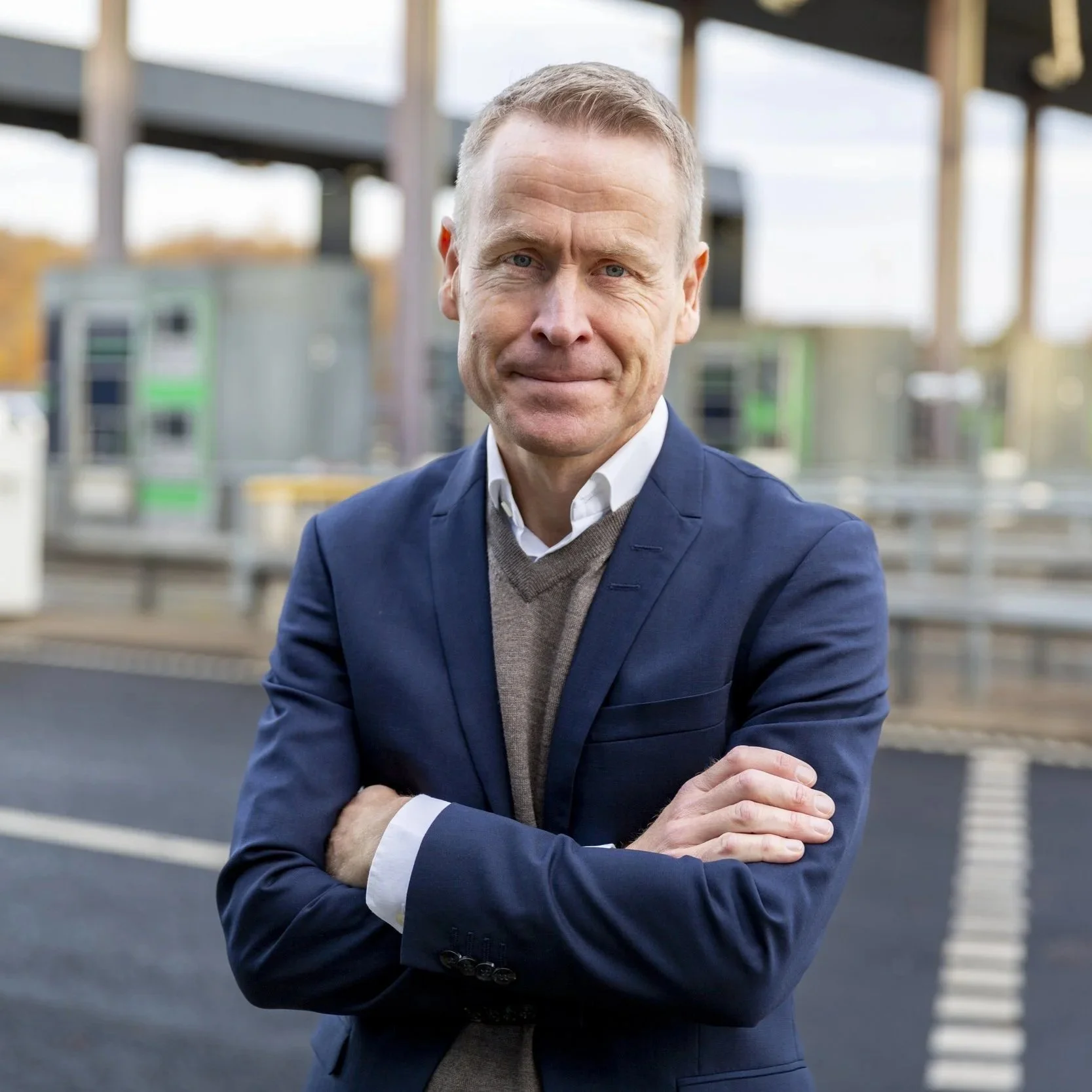
Linus Eriksson
CEO, Øresundsbron
“The growth we are seeing in this region is only in its beginning. In just a few years, the Fehmarnbelt tunnel will open, expanding our region to include around 15 million people within four hours’ travel of the Öresund Bridge. Journeys between Malmö or Copenhagen and Hamburg will take just three hours. If we fully embrace that potential, this improved connectivity can create new markets, new flows and, above all, even more opportunities.”
Looking beyond national agendas is essential to strengthening Nordic and European competitiveness. Metropolitan regions such as Öresund can provide the international scale needed to attract talent, investment and companies, while connecting research and innovation with commercial opportunity. By treating the region as one integrated market for business and leadership, organisations can widen access to talent and build leadership teams that better reflect the diversity of their markets, operations and stakeholders. In this way, cross-border proximity can become both a source of broader representation and a global competitive advantage.
About the authors
Malin Grundström and Michael Pieters are based in the Öresund region and combine leadership advisory experience with a background in organisational change, HR and corporate communication. Their perspectives illustrate how networks and market knowledge from both sides of the region can be combined rather than treated as competing pools.

Partner and Senior Consultant, Alumni Global
E-mail
Malin Grundström is Partner and Senior Consultant at Alumni Global in Malmö and Copenhagen. She advises boards and chief executives and works across executive search, board services and leadership assessment, with extensive experience of international organisations and leadership appointments.
—> Read more

Michael Pieters is Partner and Head of Life Sciences at Alumni Global in Copenhagen. He works across executive search and leadership services, with experience spanning international industrial groups, life sciences and private equity, as well as board, CEO and CFO appointments.
At Alumni Global, we believe that the key to unleash potential in people and organisations is great leadership. Partnering with you, we help equip your organisation to make a difference.
We tailor our wide range of leadership services to your unique requirements, helping your organisation thrive and support your people’s professional development.
Our portfolio of services includes:
Do reach out for a dialogue about your unique situation and requirements.
Contact us