
Our Perspectives
Alumni Global's perspectives on leadership, succession and board governance
Alumni Global works with executive search, board services and leadership assessment and development. Here we gather our articles and perspectives on leadership, drawing on what we learn from the boards, CEOs and leadership teams we work with, and from our events such as the Alumni Executive Summit. The topics range across leadership in change, succession, board governance, AI leadership and how organisations develop their leaders, written by our consultants for those who lead, recruit or serve on a board.
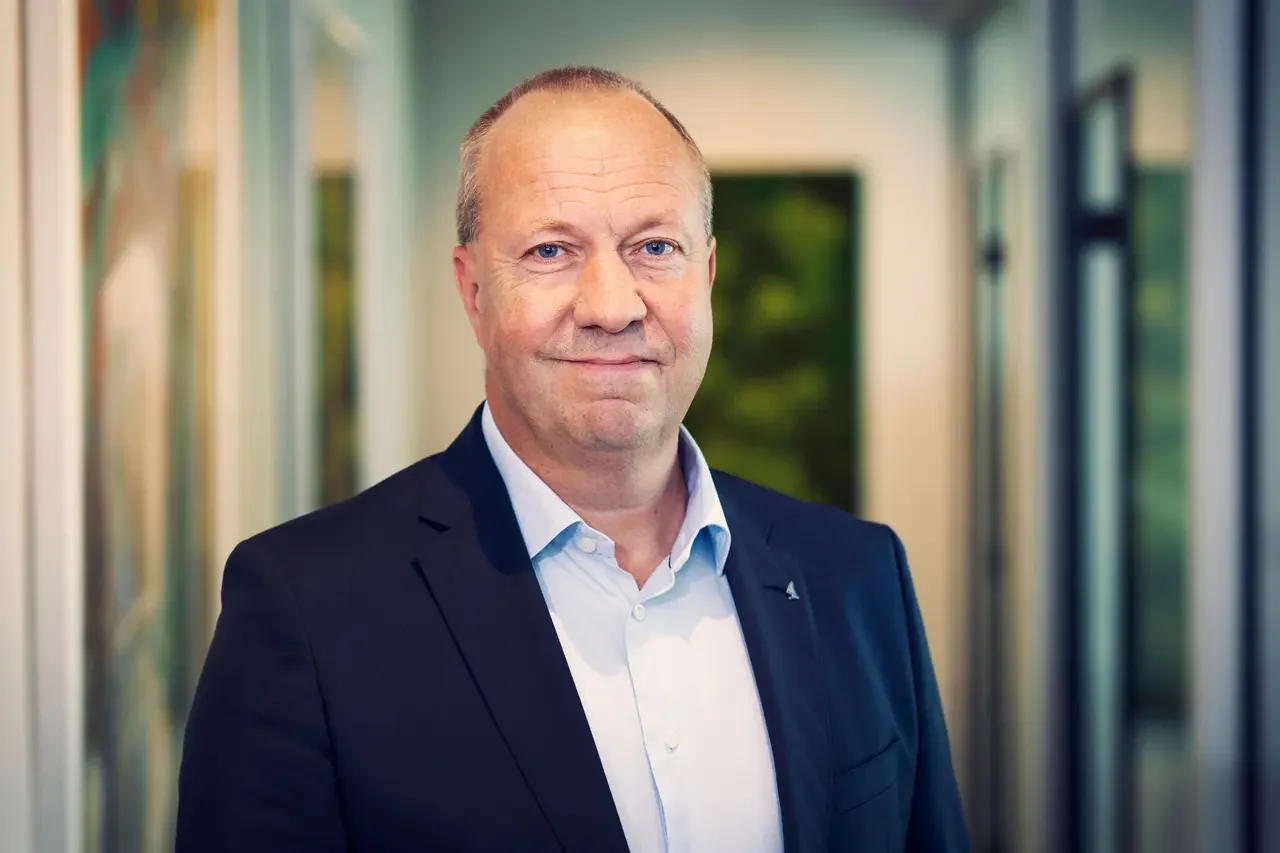
Why trust matters as much as vision
What really matters most to a company’s long-term success? A clear vision? A strong strategy? Or the ability to make the right decisions? For Volito, the answer lies to a great extent in trust between people. In owners who are real people. In relationships and leaders who are given the freedom to act entrepreneurially while remaining accountable for the long-term development of the business. In our conversation with Ulf Liljedahl, CEO of Volito, he shares his experience of leading in an environment where values, culture and active ownership do not merely support the business, but form part of the business model itself.

Where will tomorrow’s judgement be built as AI changes work?
As organisations integrate AI into daily operations, it changes not only which tasks people perform. It also changes how experience is built, how judgement is developed and how trust grows. When AI takes over research, analysis, administration and first drafts, parts of everyday learning may disappear unless organisations consciously replace them. For leadership and HR, the question is therefore not only how AI should be implemented, but how work should be organised so that people continue to develop the experience and judgement the organisation needs.

Succession Beyond Replacement: Building Leadership Capability for an Uncertain Future
Succession planning should start from the organisation's future direction rather than from today's roles and the people in them. Åza Skoog of Alumni Global argues for linking succession to strategy through scenarios, and for protecting the everyday learning that AI is changing. When Alumni Global asked 332 people in its network about their greatest succession challenges, 35 per cent said they lacked an established leadership pipeline.
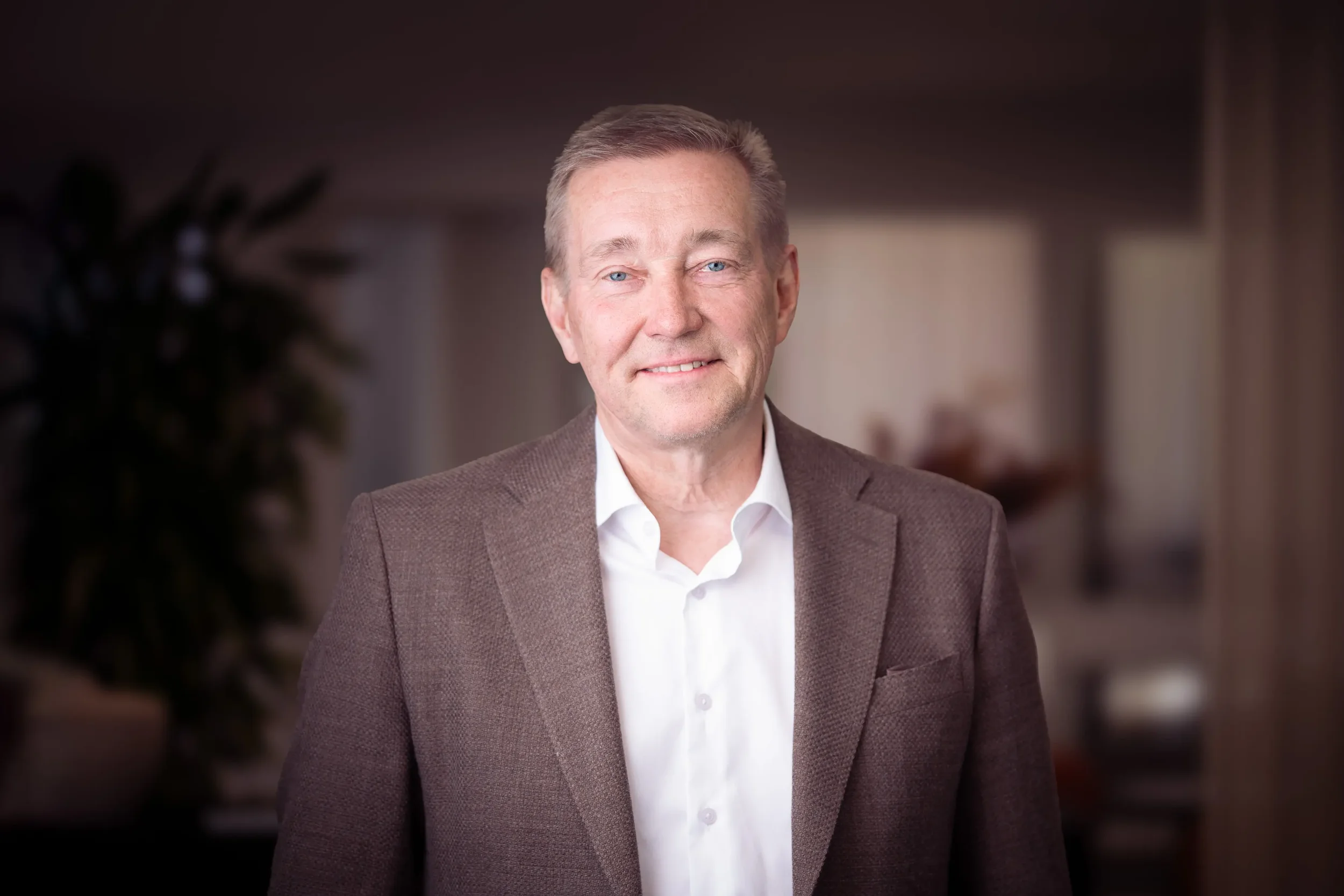
Long-term thinking without losing momentum
Per Gullstrand, CEO of Bjäre Invest, on how decentralised governance, commercial discipline and trust work together in a family-owned group — and why long-term ownership does not mean a slower pace.

Lonely at the top? Growing demand for an executive sounding board
CEOs and other CxO leaders are increasingly asking for an experienced sounding board outside their own organisation, someone who asks questions and widens their perspective. Lars Navéus of Alumni Global describes one such match, arranged for a senior leader at one of Sweden's largest listed industrial companies, with board director Anna Ohlsson-Leijon as the sounding board.

The CEO Appointment Is Complete, But Are the Conditions for Success in Place?
Boards put great effort into recruiting the right CEO and far less into helping that CEO succeed once in post. Lars Navéus of Alumni Global argues that the board's work continues after the appointment: clear expectations, structured dialogue with the chair, support with the first priorities and, for a first-time CEO or a turnaround, an external sounding board.

We’ve Started Using AI. Now Leadership Needs to Prepare for What Comes Next
AI adoption is accelerating across organisations, but learning to use the technology may be the easier part. The bigger challenge is what comes next: how do we lead when the future evolves faster than we can predict? For leaders accustomed to building alignment through dialogue and consensus, this raises an intriguing tension. The AI era may require us to act more boldly while becoming more humble about what we know.

The Most In-Demand Leadership Skills in Tech Right Now
What should a strong technology leader know today? While AI fluency is now essential, there is much more to it. In our talks with Nordic executives and boards, we see a rising need for leaders who can link architecture, cloud, data, cybersecurity, and technology economics with product, people, and business strategy. The real shift is not from technical leadership to general management, but toward leaders who blend real technical credibility with sound enterprise judgement. Here are the skills that set the best technology leaders apart.
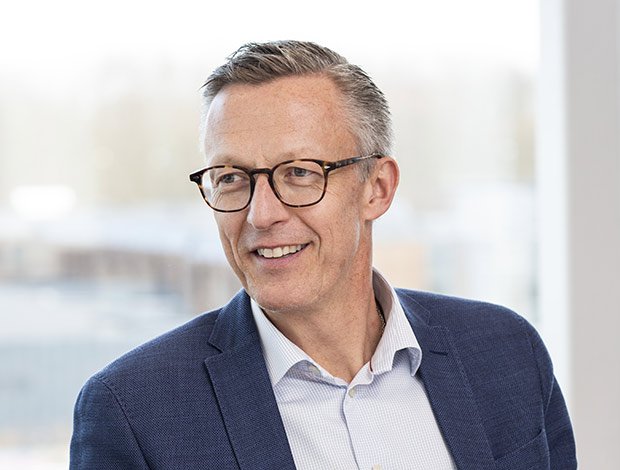
Building for the next generation
Sandberg Development, a family-owned investment company founded in 1959, invests long term in 19 technology-driven portfolio companies. In an interview with Alumni Global, President and CEO Stefan Persson, recruited with the support of Lars Navéus, discusses leadership, culture, AI and building the right foundations for future generations.
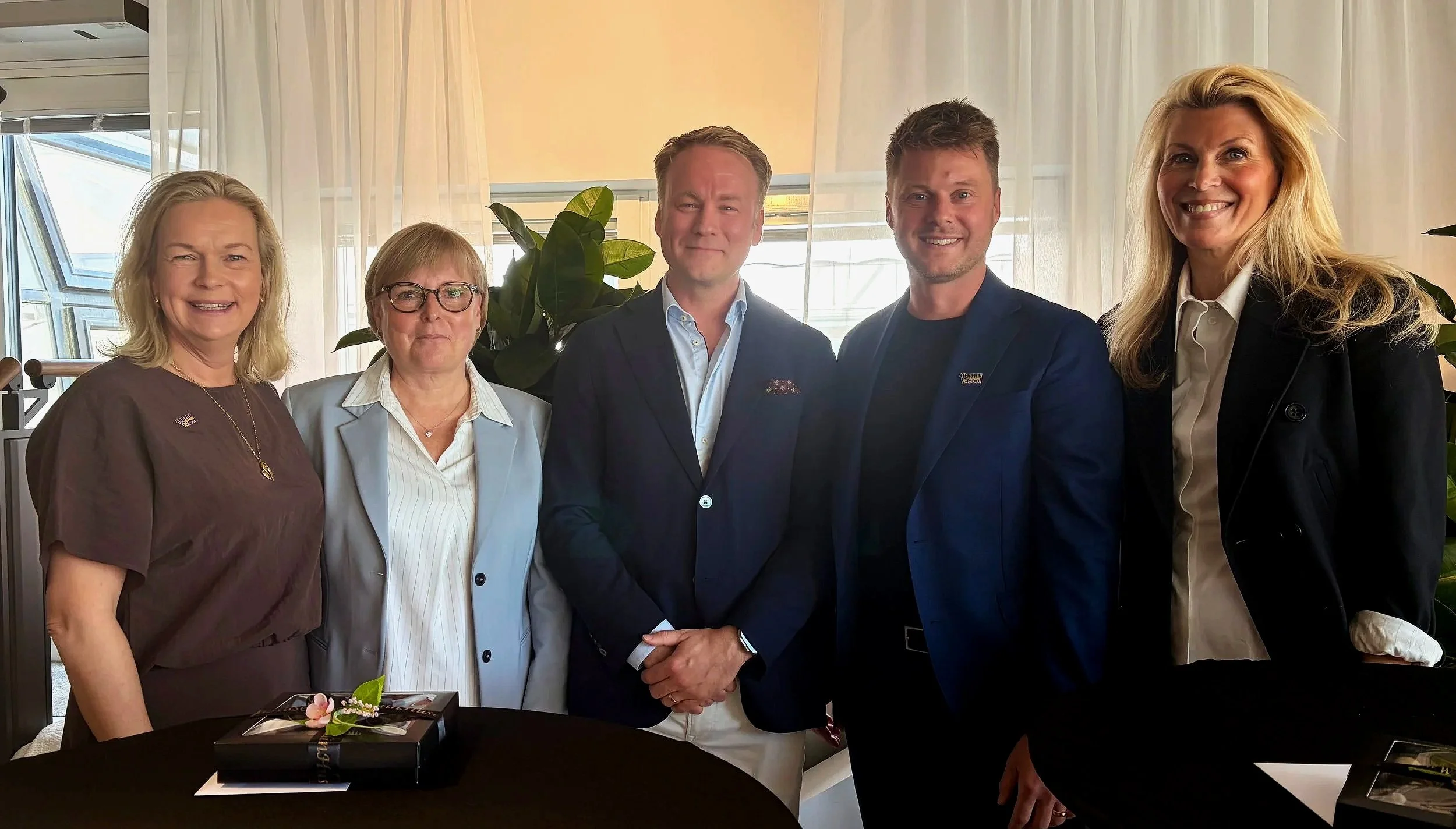
Succession as a Strategic Imperative: Building Leadership for an Uncertain Future
Succession planning is no longer about replacing leaders; it is about ensuring future capability. At an Alumni Global panel moderated by Åza Skoog, Björn Axelsson of Sandvik, board chair Karin Eliasson, investor Sara Arildsson and psychologist Mattias Lowebrant of Alumni Global discussed how boards and leaders link succession to strategy, potential and culture.
Leading Through Uncertainty: Nordic Perspectives on Leadership in a Changing World
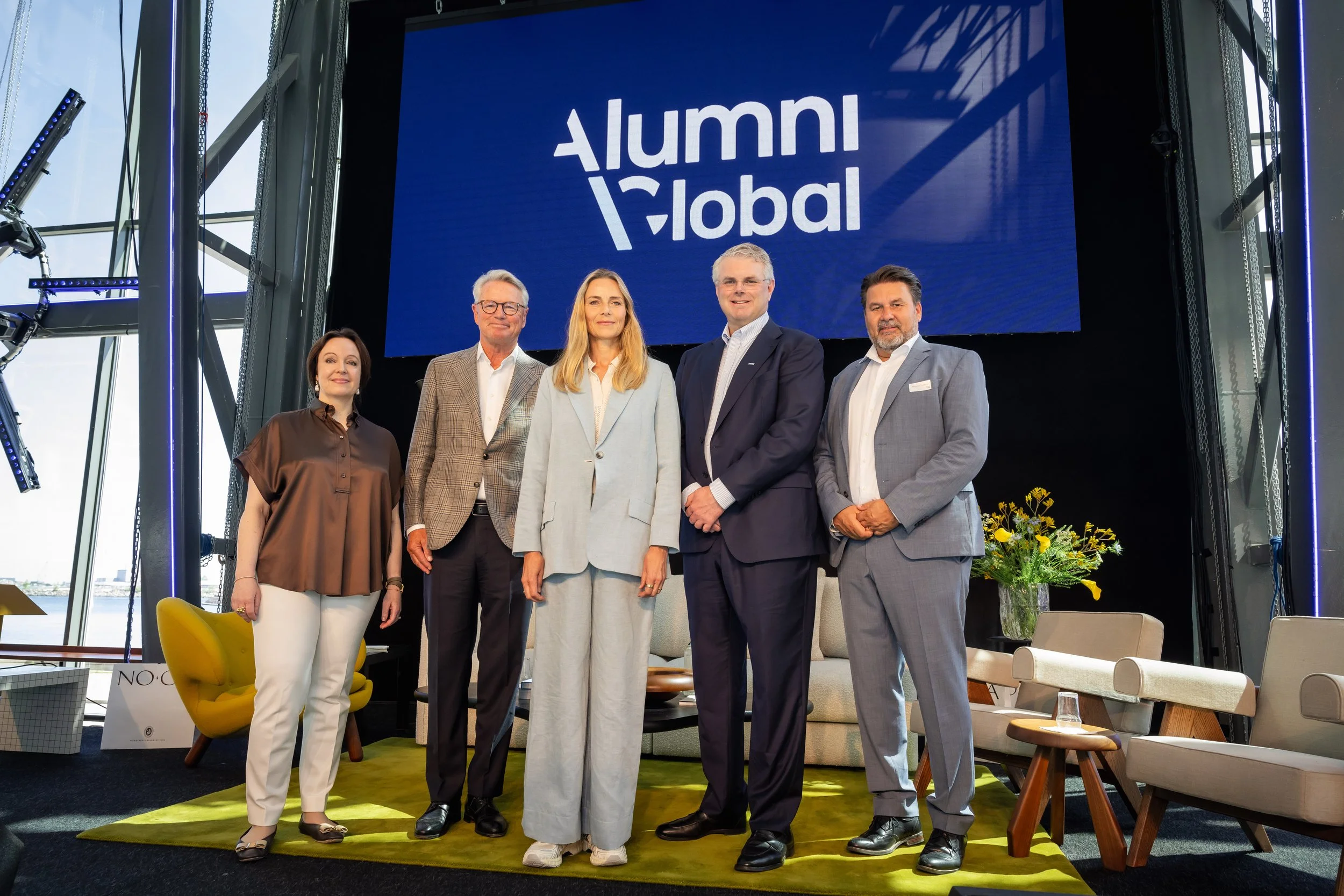
Uncertainty is no longer an occasional challenge for leaders; it has become the leadership context. At Alumni Global's Öresund Spring Summit in Malmö, Anna Borg of Vattenfall, Mikael Bratt of Autoliv, board chair Malou Aamund and Björn Rosengren, former CEO of ABB, pointed to three answers: adaptable organisations, empowered people and a clear sense of purpose.

The Growing Demand for Commercial Acumen in Civil Society Organisations
Why boards in the non-profit and public sector are rethinking leadership profiles — and what hybrid, commercially capable leaders bring to purpose-driven work.

The Evolving CFO: From Financial Steward to Strategic Integrator
Across the Nordics, the CFO has moved to the centre of the organisation, but what that demands in practice has grown far beyond finance. A look at the integrator role now emerging.

Resilience in Defence: Putting People First in a High-Tech World
Resilience in defence is no longer about systems and hierarchy. Nordic leaders argue it now rests on human judgement, trust, and adaptability.

CEO Succession – a sustained governance capability
Boards often address CEO succession only when a transition looms. The strongest treat it as a continuous capability, assessing successors years ahead.

Who Owns Succession in Uncertain Times?
In Alumni Global's recurring board evaluations of Nordic listed and private companies, succession management averages just above 4 on a 1–6 scale, while most other governance areas score around 5 or higher. With many senior leaders retiring at once and leadership pipelines thinning, Åza Skoog argues that the real challenge is deciding what kind of leadership the organisation will need next.

Top Governance Priorities for Nordic Boards in 2026
Boards in 2026 face increased scrutiny and broader mandates. While oversight and compliance remain essential, boards must engage early, act holistically, and drive long-term value. What should they prioritise?

Why Interpreting Intentions Is the Missing Skill in Executive Teams
High-performing leadership teams assume positive intent and debate the problem, not the person. That single skill separates a team from a coordination group.

Where People Grow, Businesses Thrive: The Power of Human Potential
Capability gaps are development opportunities, not recruitment problems. Growth needs clear expectations, psychological safety, and leaders who develop.

Bias-aware hiring: why process discipline matters more than intent in executive search
Bias in executive hiring rarely announces itself: it hides in precedent, reputation and "fit". Owen Francis of Alumni Global, who works with universities and healthcare organisations on inclusive appointments, argues that process discipline helps make hiring fairer, and shares a 19-question checklist covering every stage from defining the role to reviewing the appointment.