2026 Leadership Outlook – How Will Leadership Evolve This Year?
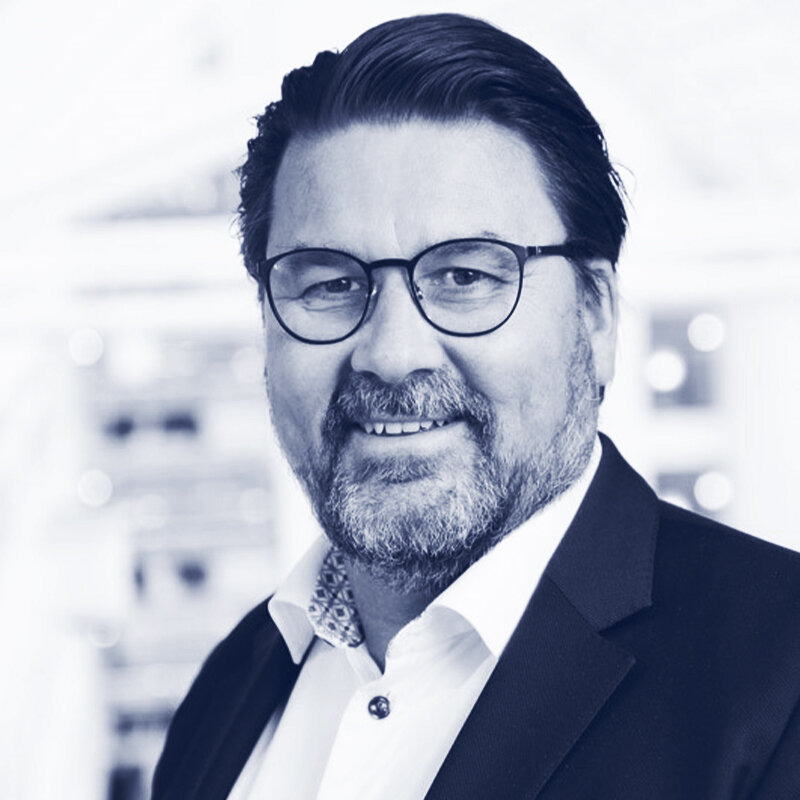
Magnus Tegborg
CEO and founder, Alumni Global
Email
As we enter 2026, a recurring theme emerges from boardrooms and executive discussions across the Nordics: leadership is no longer linear. Predictable markets, stable talent flows, and clear organisational hierarchies have given way to something more fluid and interdependent. Yet in this uncertainty lies opportunity. Nordic leaders, distinguished by pragmatism, consensus-building, and long-term stewardship, are well-placed to navigate the year ahead.
This year will ask leaders to balance stability with agility, humility with conviction, and efficiency with humanity. Several forces stand out.
1. Increasing Focus on People-Centred Performance
In recent years, leaders have moved from why people-centred leadership matters to how it can be embedded without diluting performance. As one Nordic CFO put it, she now spends “as much time thinking about energy levels and trust in the organisation as I do about margin protection.” The message is clear: performance and long-term human capability are interdependent.
Boards are also probing more deeply into leadership behaviours, organisational pace, and the psychological climate at work—not from sentiment, but because the data is unambiguous: teams with trust, clarity, and emotional maturity outperform. Leaders are now expected to shape the conditions for performance, not merely deliver the numbers.
2. The Rise of “Quiet Complexity”
Executives increasingly describe a type of complexity created by cumulative constraints—talent shortages, supply fluctuations, energy costs, AI governance, and regulation. Each issue is manageable in isolation; together, they slow momentum.
As one CEO observed, “Nothing is on fire, but everything requires attention.” This is the essence of quiet complexity. In 2026, leaders will need the discipline to step back, interpret patterns, and avoid the trap of incessant activity. Strategic patience will matter as much as speed.
3. Leadership Identity in an AI-Augmented Organisation
Across the Nordics, the AI conversation has become more grounded, centred on leadership implications rather than technology itself. The key question is shifting towards how leaders operate when cognition is shared between humans and machines.
Executives note that AI is subtly reshaping leadership identity. Leaders must now articulate decisions—and the thinking behind them—with greater clarity. They must also manage emotional dynamics: team anxiety, over-reliance on AI, and a sense of displacement in expert-driven organisations. As one senior leader reflected, his role has moved from “being the most informed person in the room to being the clearest interpreter.” This shift is becoming widespread.
4. The Rebalancing of Governance and Leadership
Boards across the region are engaging earlier and more actively—driven by heightened expectations around risk, culture, and long-term value creation. This year, nuance in the board–executive relationship will be decisive. Boards seek transparency without slipping into operations; executives want support without constraint. The leaders who thrive will treat governance as partnership rather than oversight.
The Nordic Angle
Nordic leadership is shaped by high-trust societies, flat hierarchies, and small but globally ambitious markets. These foundations have long favoured dialogue-based leadership and now offer a competitive advantage.
Our collaborative instincts support adaptability; our governance traditions promote long-term perspective; our cultural humility enables leaders to evolve without losing credibility. Yet demographic pressure and talent scarcity are testing old models. Leaders must now pair Nordic values with more assertive talent strategies, faster decisions, and greater international orientation.
Key Takeaways
People-centred performance will become core to organisational resilience.
“Quiet complexity” demands cognitive discipline, not just faster execution.
AI will reshape leadership identity as much as operational models.
Nordic governance will continue moving toward earlier, more active engagement.
Leadership credibility will rest on clarity, emotional maturity, and pattern recognition.
Reflective Questions
Where do you need to shift from managing outputs to shaping conditions for performance?
How do you create cognitive space for strategic thinking amid complexity?
What part of your leadership identity must evolve in an AI-enabled environment?
How might your board–executive relationship need to adjust this year?
At Alumni Global, we believe that the key to unleash potential in people and organisations is great leadership. Partnering with you, we help equip your organisation to make a difference.
We tailor our wide range of leadership services to your unique requirements, helping your organisation thrive and support your people’s professional development.
Our portfolio of services includes:
Do reach out for a dialogue about your unique situation and requirements.
Contact us

Perspectives
The People Agenda: A Key to Build Geopolitical Resilience?

Perspectives
The Power of Meaningful Conversations to Bridge Divides

Perspectives