Leadership when the ground is shifting
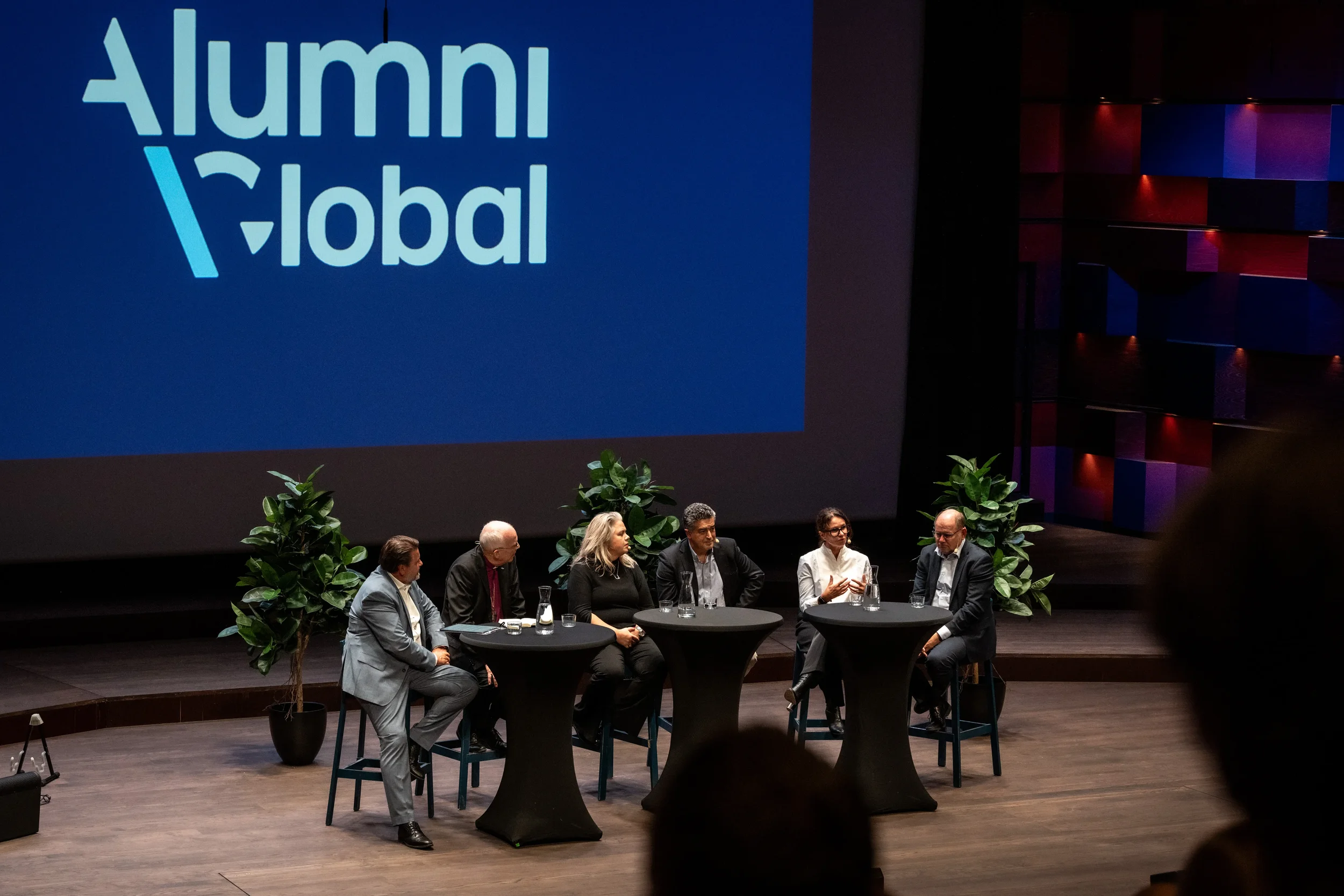
Geopolitical tension, technological disruption and social polarisation are reshaping the conditions in which leaders operate. At the Stockholm Executive Summit 2026, five leaders from diplomacy, business, academia and the Church explored what responsible leadership requires when uncertainty is no longer an exception, but the environment itself.
Leadership has always involved making decisions without knowing everything. Yet the range of uncertainties facing today’s leaders feels different. Geopolitics is entering the boardroom. Technology is changing businesses faster than conventional governance processes can accommodate. Organised crime is becoming more international and less visible. At the same time, trust, relationships and shared values are under pressure.
—> Read this artcicle in Swedish here
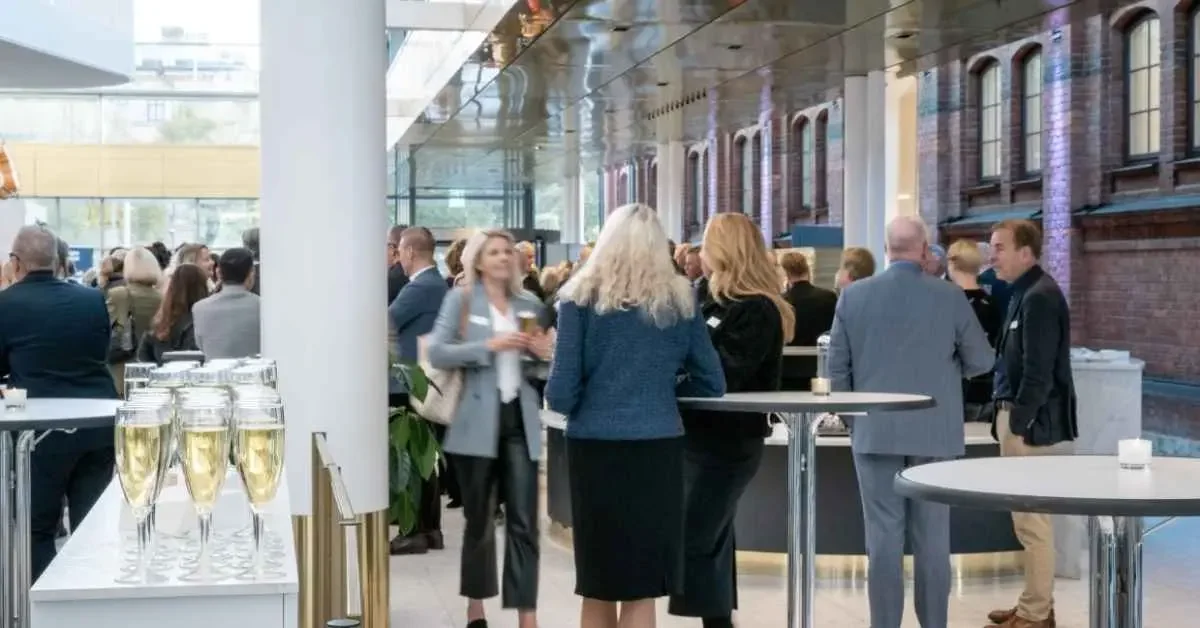
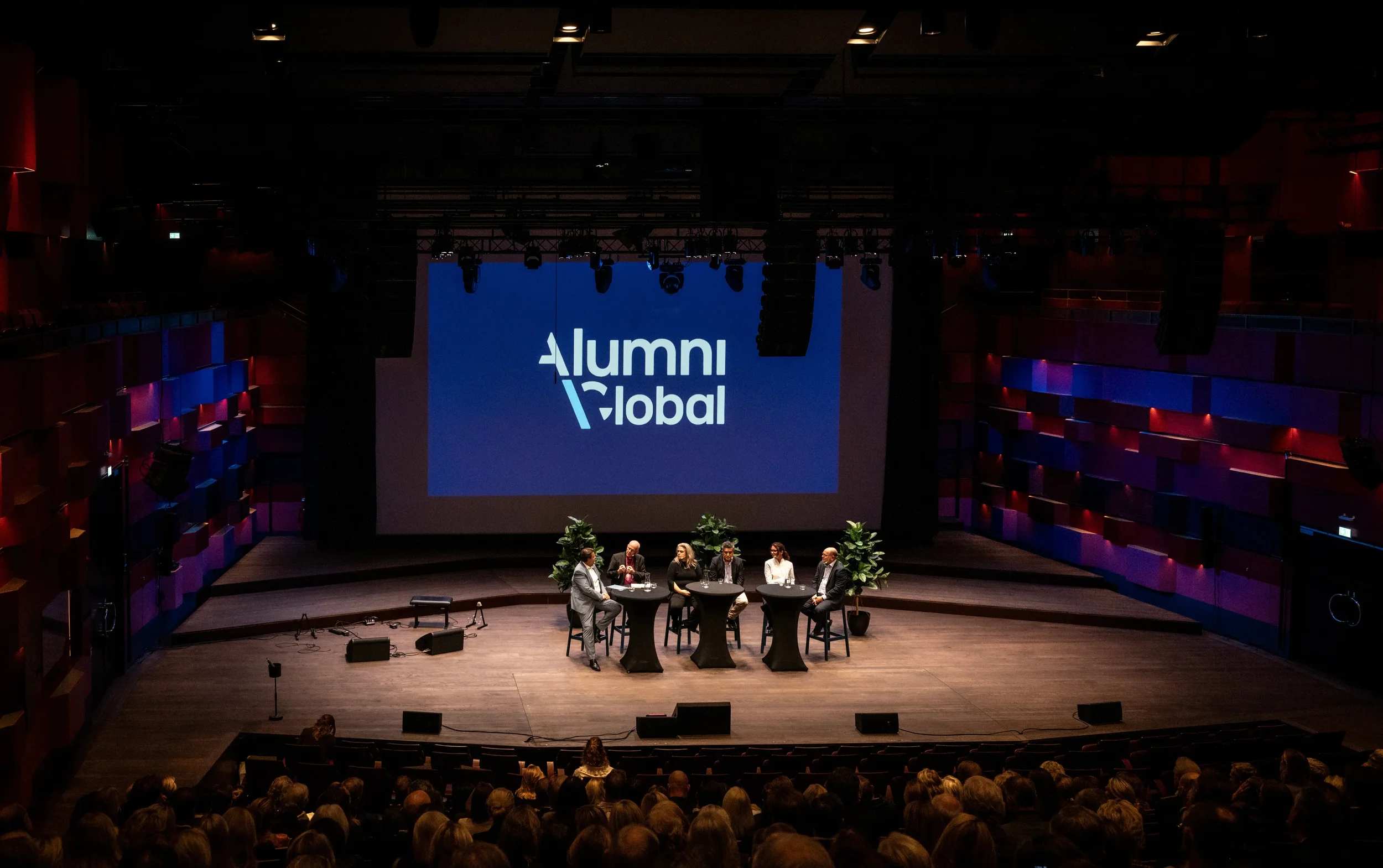
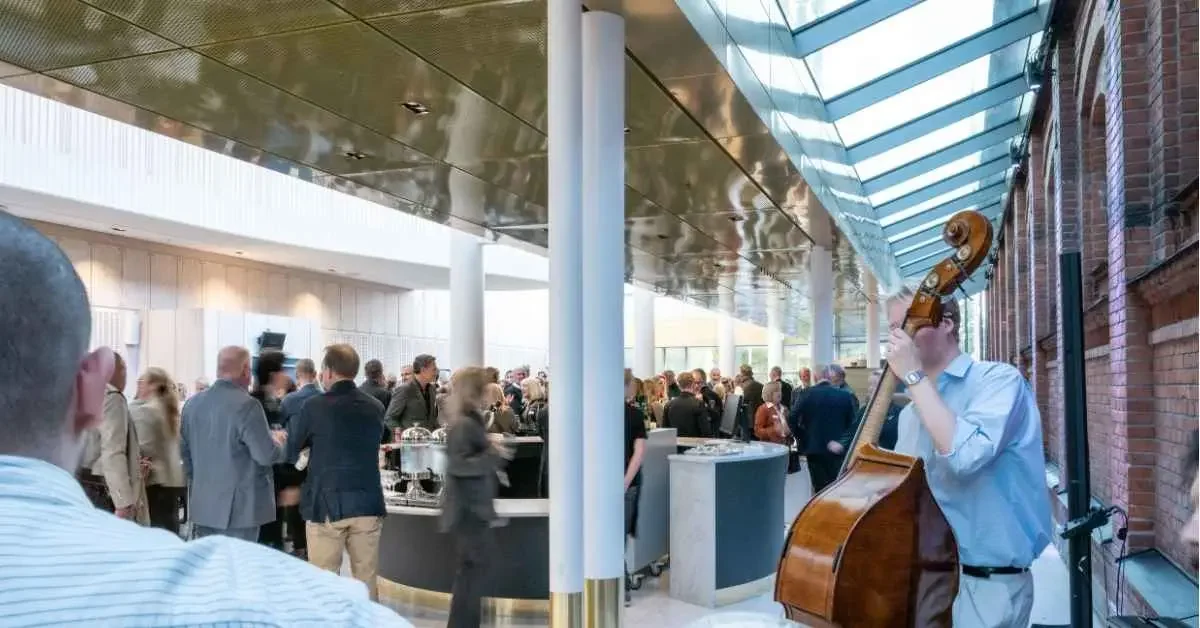
These themes framed our discussion at the Stockholm Executive Summit 2026, held at the Royal College of Music in Stockholm. The setting was fitting. Music depends on individual skill and discipline, but only becomes something greater through listening, creativity and collaboration. The same can be said of leadership.
Our five panellists brought very different perspectives. What emerged was not a set of simple answers, but a shared conviction: leaders must face reality as it is, while retaining the courage to shape what comes next.
Our panel consisted of:
Cecilia Qvist
Business leader, chair, board director, investor, and advisor with more than 25 years of international experience of building and scaling companies across industries, markets, and stages of growth
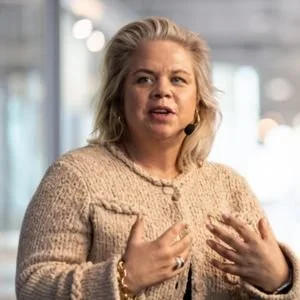
Lotta Lyrå
CEO & President of Södra, one of Sweden’s largest forest-owner associations and a leading international forest industry group

Martin Modéus
Archbishop of Uppsala and Primate of the Church of Sweden
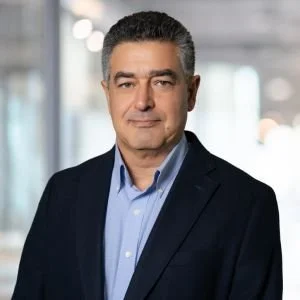
Mehdi Ghazinour
Sweden’s first Professor of Police Science and Head of the Department of Police Studies at Södertörn University
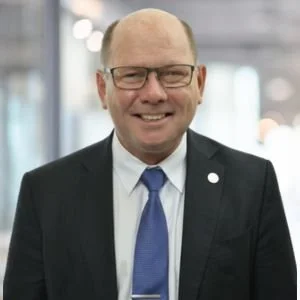
Urban Ahlin
Sweden’s former Ambassador to the United States, with a distinguished career spanning both diplomacy and national politics
Geopolitics is now a business issue
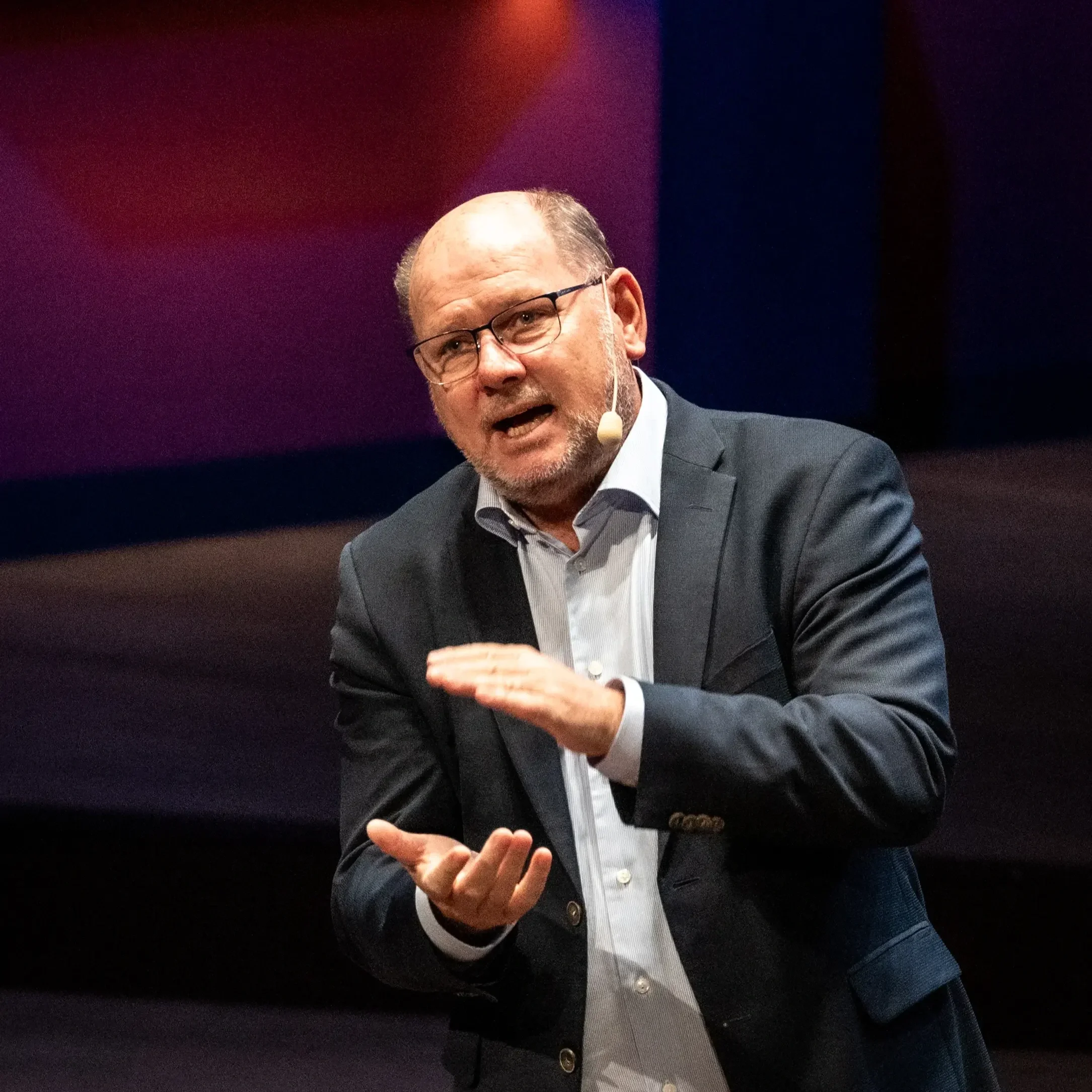
Former ambassador and Speaker of the Swedish Parliament Urban Ahlin described a geopolitical order in which military and economic power are increasingly replacing rules and multilateral cooperation. For an export-dependent country such as Sweden, the weakening of free trade is particularly consequential.
His message was not to turn away from the United States or globalisation, but to recognise that the conditions have changed. Political intervention in markets, tariffs and strategic competition is likely to remain influential beyond any single administration.
Companies can no longer treat politics as a distant externality. Supply chains, capital structures, technology choices and market access are all becoming geopolitical questions. This places greater demands on boards to understand not only commercial risk, but the political systems surrounding the business.
“The world out there is changing very quickly. Business leaders need to understand that, because it will affect the decisions you make.”
Start with the business problem, not the technology
For business leader, chair and investor Cecilia Qvist, leadership begins by planning for the reality we have, rather than the reality we would prefer. That means actively learning about technological change and questioning established governance models.
Her advice on artificial intelligence was refreshingly practical:
“Do not begin by asking, ‘What should we do with AI?’ Begin with the customer. How will this affect our customer journeys, and what do we need to own?”
Boards cannot delegate their understanding of technology entirely to specialists. Directors need enough practical familiarity to ask informed questions, evaluate trade-offs and distinguish meaningful transformation from fashionable experimentation.
“Good leaders have the ability to change their minds.”
Cecilia Qvist also emphasised that building a business inevitably involves taking risks. The danger is not necessarily making a decision that later proves wrong. It is making a poorly informed decision, or avoiding decisions altogether because the environment is difficult to interpret.
Strong organisations know why they exist but remain willing to reconsider how they pursue that purpose. That combination of conviction and adaptability may be one of the defining leadership capabilities of the coming years.
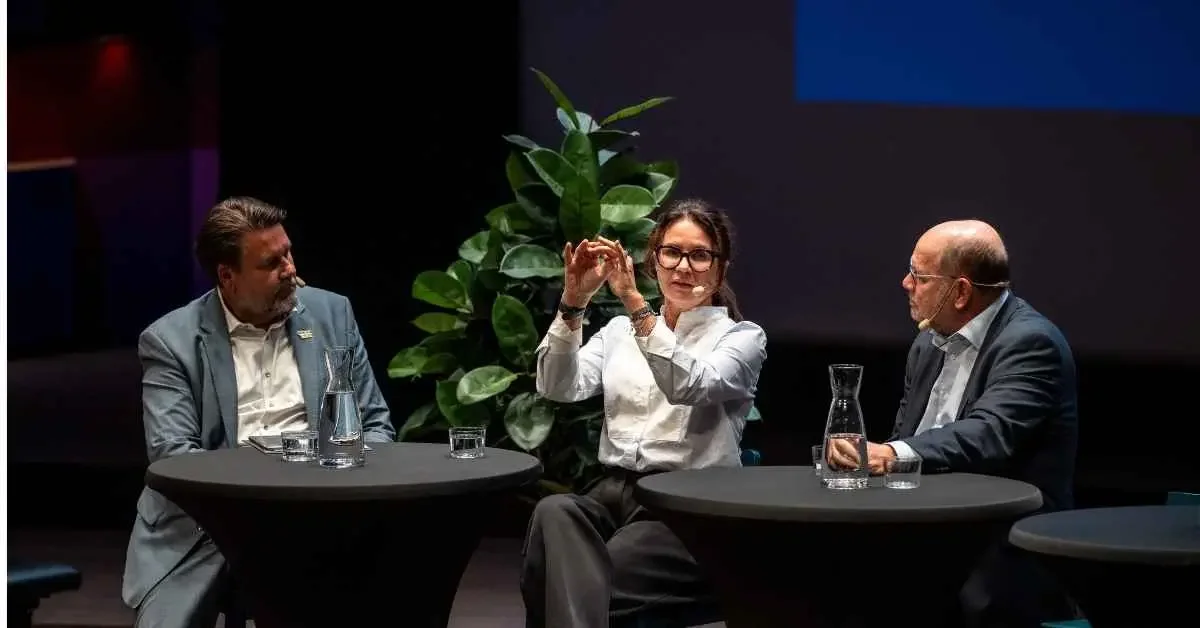
Think together before demanding agreement
Professor of police science Mehdi Ghazinour works at the intersection of two cultures: an operational police organisation focused on immediate action and an academic environment built around reflection, evidence and careful inquiry.
“We do not have to think alike. But if we think together, some form of direction or understanding will emerge.”
Rather than trying to eliminate the tension between them, he has learned to use it.
This is a valuable principle for any leadership team dealing with complex problems. Constructive tension is not a sign that collaboration has failed. It can be evidence that different forms of knowledge are genuinely being brought into the room.
Mehdi Ghazinour also warned that crime is becoming increasingly global, financially sophisticated and difficult to see. Of particular concern is the use of criminal networks by foreign powers. Sweden’s institutional trust remains an important form of societal capital. Protecting it requires cooperation among public institutions, academia and business, combined with what he called intellectual humility: the willingness to acknowledge that tomorrow’s problems may not resemble yesterdays.
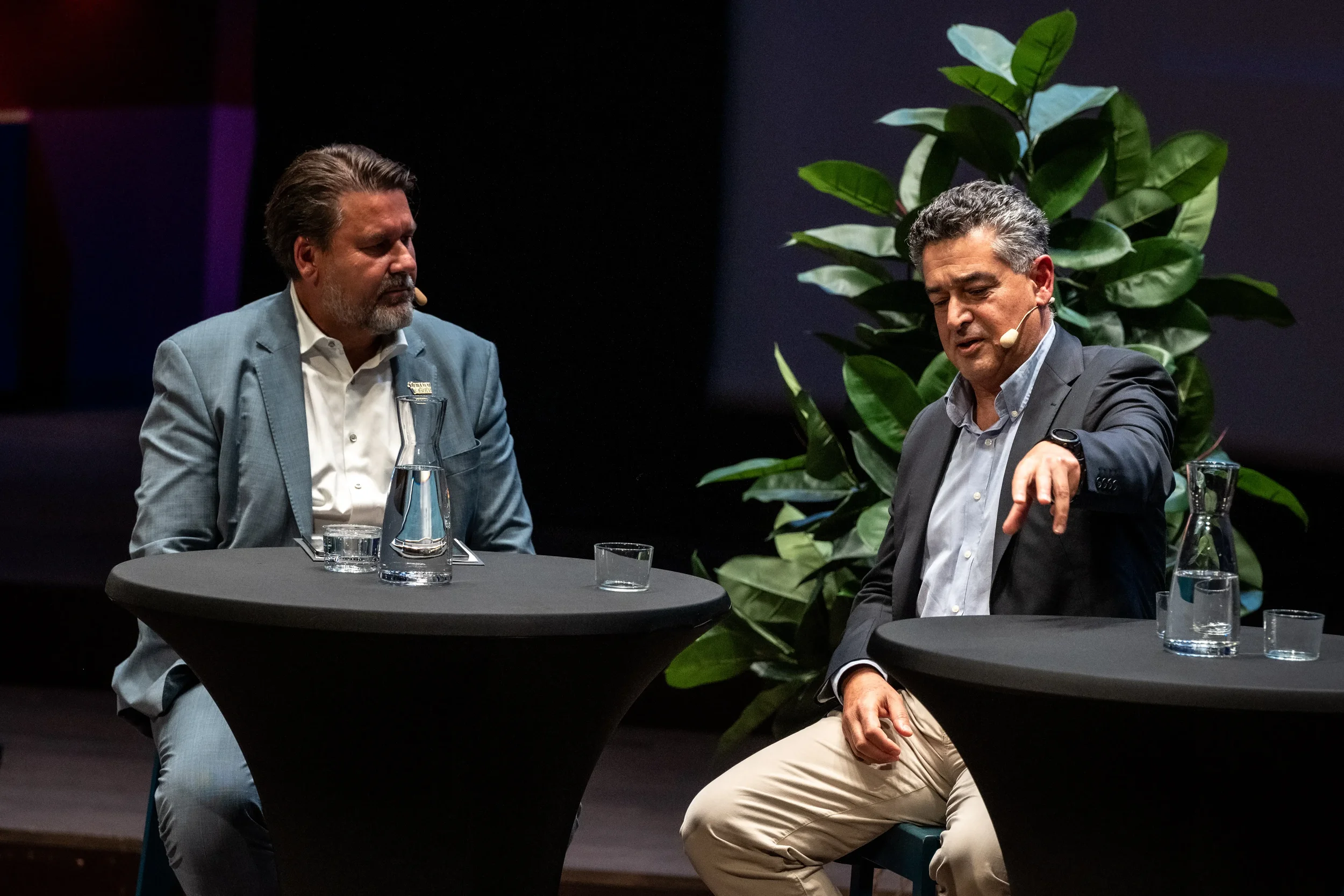
Relationships are part of our decision-making infrastructure
“One of leadership’s most important tasks is to create a logic between what we do in the short term and what we want to achieve in the long term.”
As President and CEO of Södra, Lotta Lyrå leads a business in which decisions made today may not produce their full results for decades. Her leadership challenge is to create a clear connection between short-term action and long-term purpose.
That logic must be credible to the organisation. It also depends on relationships. The more complex the issue, she argued, the deeper the relationships surrounding it need to be.
When people trust one another, they are more likely to voice uncomfortable views, challenge assumptions and reconsider decisions. Investing in relationships is therefore not separate from performance. It is part of the infrastructure that allows leadership teams and boards to make sound decisions under pressure.
Lotta Lyrå also called for stronger cooperation between business, government and academia. Sweden is a small country. Its size can be a limitation, but it can also allow people and institutions to work together more directly than in larger systems.
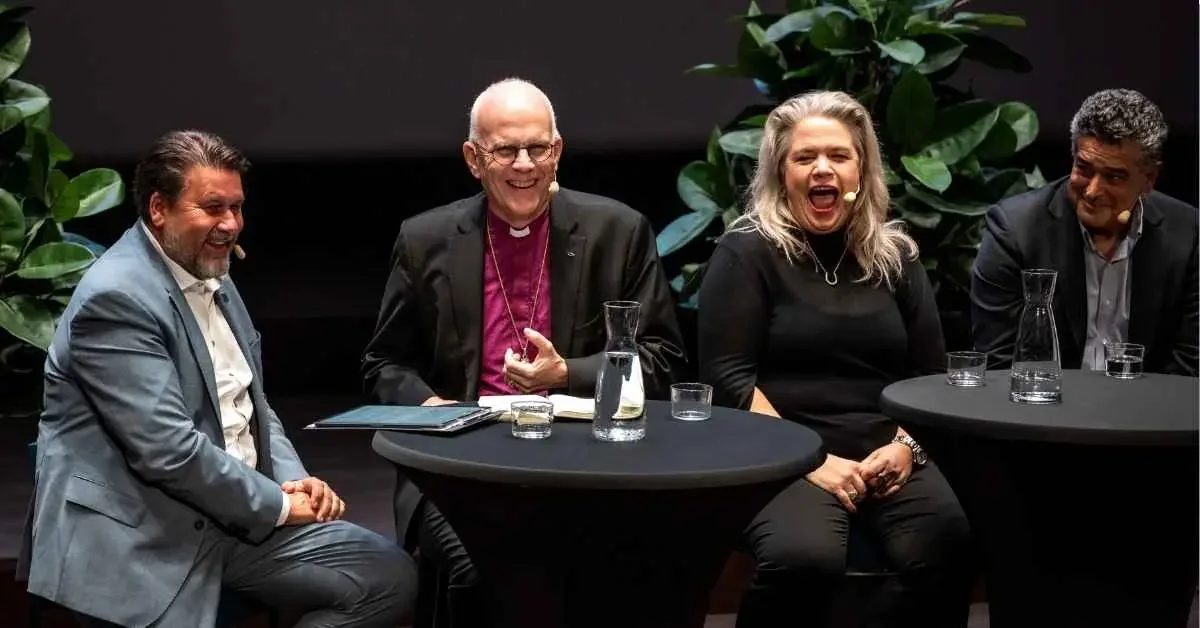
Values become visible when the wind rises
Archbishop Martin Modéus challenged the idea that some decisions are purely factual and therefore free from values. All decisions contain values, he argued. The question is whether leaders are conscious of them.
He offered a memorable metaphor:
“Values are like the keel of a sailing boat. They are below the surface and may not be noticed until the wind begins to blow.”
Values cannot simply be written on a website. They have to be discussed, practised and embedded before a crisis arrives. This becomes particularly significant as artificial intelligence assumes a more prominent role in organisations and society.
“Hope has an architecture: relationships, words, a deeper foundation and action.”
Martin Modéus reminded us that intelligence is only one part of being human. Vulnerability, ambivalence and relationships are equally characteristic of human life. Technology should therefore be integrated in ways that strengthen our capacity to live and work together, rather than being treated as an end in itself.
His architecture of hope consisted of four elements: relationships, words, placing our concerns within a larger context, and action.
That is not only an existential reflection. It is practical leadership advice.
Hope as a leadership discipline
Despite the seriousness of the challenges discussed, the panel was not pessimistic. Sweden has a well-educated population, a strong capacity to adopt technology and comparatively high trust in institutions. We have considerable resources with which to navigate this period of change.
But hope is not passive optimism. It is built through honest conversations, trusted relationships and purposeful action.
Leaders cannot promise certainty. They can create clarity about direction, make values visible, invite different perspectives and help people understand their place in the change. When the ground is shifting, that may be leadership’s most important task.
About the Author
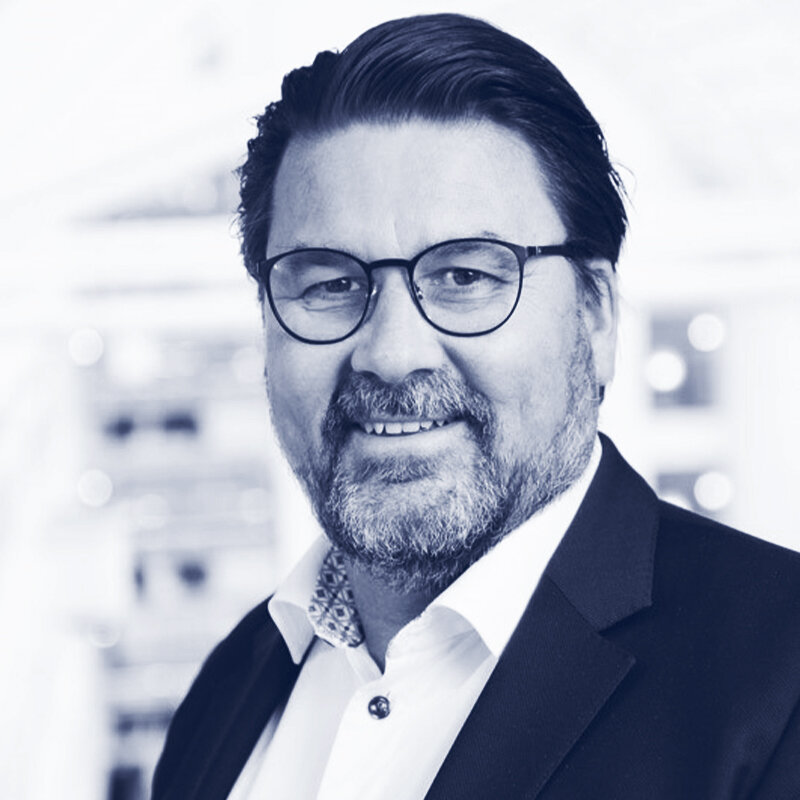
Magnus Tegborg
Founder and CEO, Alumni Global
Email
Magnus has through his career combined the entrepreneurial role of developing Alumni Global and leading an international executive search business with being a trusted advisor to many leaders. Magnus’s current client relationships are closely tied to the boards and owners of leading Nordic corporations. His solid and trusted network among boards, top management in large corporations, and decision makers in the political and public arena is a testament to his extensive portfolio of successful assignments.
—> Read the full bio here
Contact us
At Alumni Global we have developed processes to identify sustainable leaders and tools to assess and develop them. Making the shift towards a sustainable form of leadership connects in its very nature to the whole organisation and leadership ecosystem.
If you would like to hear more about how we have partnered with different organisations do get in touch.