

Future-Proofing Leadership: Lessons from History and Visions for Tomorrow
In an era defined by rapid change, digital transformation, and global interconnectedness, the role of leadership is evolving. To navigate this complexity, leaders must not only adapt but also anticipate future demands. Drawing insights from a historical perspective on leadership, we explore below how leadership models have transformed and what qualities are essential to lead effectively today and in the future.

The Intelligence of Kindness: A call for Compassionate Leadership
In our interconnected world today, the need for compassionate leadership has never been greater. Our future’s greatest challenges will not be solved through brute force or divisive rhetoric. What we require in leadership is diplomacy, collaboration, and a deep understanding of human interconnectedness. Long-term successful leaders, that will help guide us to a better future, are not those who wield power through intimidation but rather those who foster trust through empathy and compassion. How do we ensure a future where the most important people lead with both intellect and heart?

Leaders, are you losing the human connection
In an era where we are more digitally connected than ever before, one might expect us to feel also closer to one another, but instead we have to ask why so many of us are feeling lonelier? As workplaces become central to our social lives, leaders face a crucial challenge: how to foster authentic human connections in an increasingly virtual world.

Aviation CEO Insights Part 2: “Portugal, a net exporter of talent.” Luis Rodrigues, CEO, TAP Air Portugal
In this interview of our Aviation Insights series, we explore the thoughts and perspectives of Luís Rodrigues, CEO of TAP Air Portugal. Luís reflects on TAP's key achievements in 2024, the challenges facing the aviation industry. What is the vision for the future?

A labour market in transition: the impact on jobs and skills needed in tomorrow’s workforce
The World Economic Forum’s Future of Jobs Report 2025 highlights how global macro trends—technological advancements, the green transition, economic shifts, and demographic changes—are fundamentally transforming the labour market. While new opportunities emerge, significant job displacement will also occur, emphasizing the critical role of continuous learning and skill development. For both businesses and individuals, staying ahead means investing in digital expertise, creativity, and leadership—the cornerstones of tomorrow’s workforce.
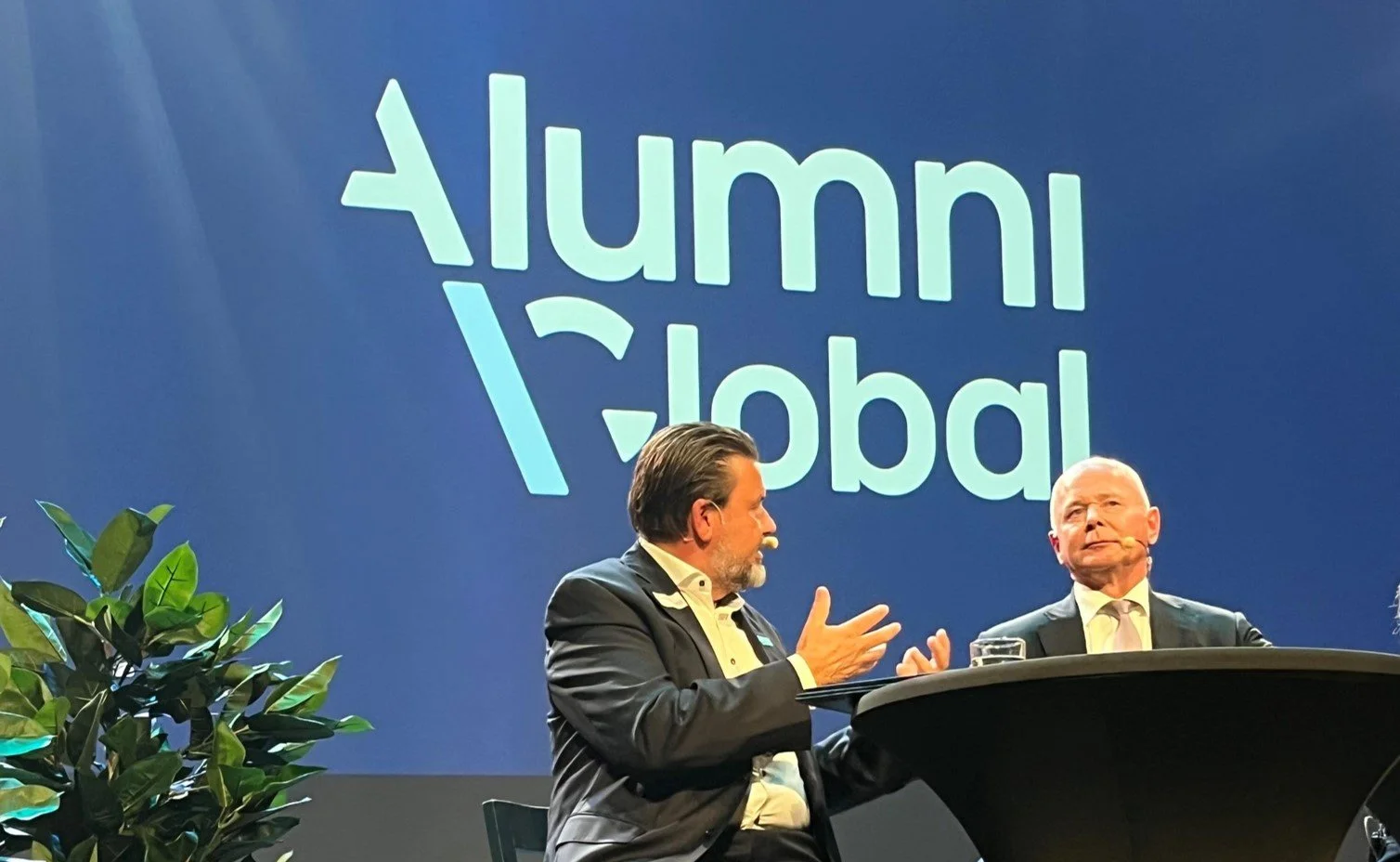
The critical questions of our time: Defence and Deterrence
With heightened focus on security and defence in light of recent geopolitical developments, Alumni Global’s founder and CEO Magnus Tegborg, recently sat down with Micael Johansson, CEO of SAAB. Few leaders are better positioned to understand the impact of the rapid pace of change in defence demands and have firsthand experience of the need for a new approach to leadership—one that is agile, embraces risk, and leverages new technologies like AI and automation.
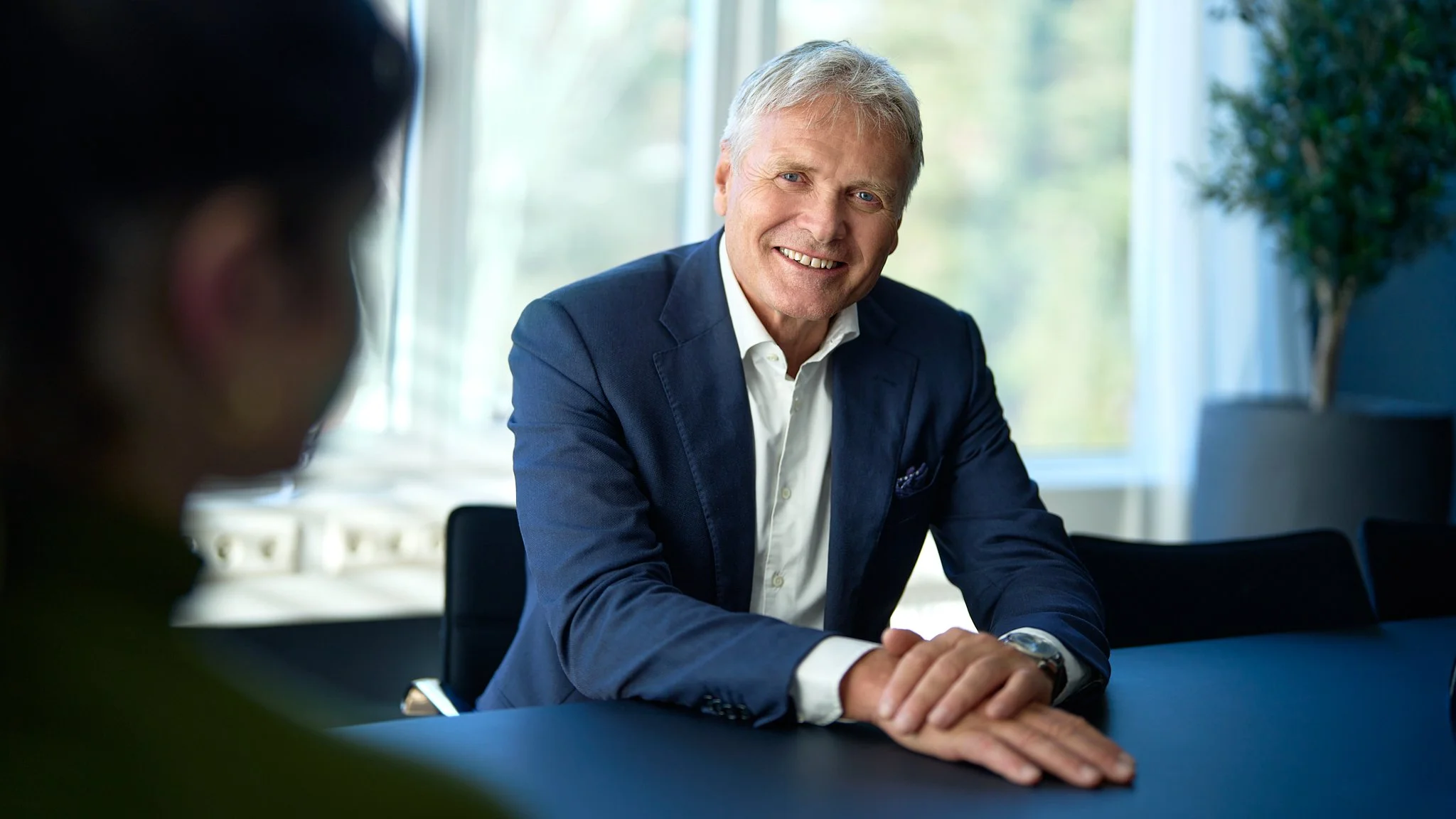
Aviation CEO Insights Part 1: “Compare 550 knots with 15 knots”, Espen Høiby, CEO, AAP Aviaton)
Espen Høiby, the CEO of AAP Aviation in a recent interview with Alumni Global, shared his reflections on the successes, challenges, and leadership priorities shaping the sector. From operational transformation to talent cultivation, his insights offer a perspective on sustainable growth in a volatile industry. Can the aviation industry be a model for navigating the fast pace of change we see in our world today?

The Power of Vulnerability in Leadership: Building Trust to Drive Collaboration
The disruptive events of our times, the market shifts and global crises, bring new challenges that require fresh thinking and multifaceted solutions. In this context, it will be crucial for organisations that seek to thrive, remain resilient, adaptive and innovative to ensure great team collaboration. Being able to bring together diverse skills, knowledge, and perspectives that allow the organisation to tackle complex problems more creatively will be a key factor for success. But achieving great collaboration is a complex challenge. Why does it so often fail and what can you as a leader do to promote collaborative culture in your organisation?

Maximising Team Performance: Not a Game of Chance
In today’s dynamic workplace, leading high-performing teams requires more than traditional management approaches. As teams grow increasingly diverse, managers face the dual challenge of fostering cohesion and optimising productivity. Insights from collective intelligence and neuroeconomics offer perspectives on how leaders can inspire collaboration, drive engagement, and enable every team member to reach their full potential. Here are five actionable strategies, drawn from these fields, to help managers create resilient, high-performing teams.

Essential Strategies for Cultivating Effective Leadership Teams
Effective leadership teams are more crucial than ever in navigating today's complex business environments. Successful teams don’t just emerge; they are shaped intentionally through strategic alignment, mutual trust, and continuous improvement. Here are key questions to consider for building more effective leadership teams in your organisation.

The Path to Sustainable Leadership in a Complex World
We at Alumni Global were honoured to recently host a summit that brought together a distinguished panel of leaders and scientists from both the private and public sectors. They engaged in a dialogue about the challenges we face today.

Strategic Succession Planning: A Key to Future-Proofing Your Business
Success today demands more than innovation or competitive strategy — it requires solid leadership continuity. From the board room and its directors through every layer of management, great leadership is key to future-proof your business. The challenge is not only to identify successor candidates, but also to understand the market landscape —what do potential candidates want, and how can companies position themselves as attractive destinations?

Cultivating Leadership for Tomorrow: Navigating Common Challenges through CEO and Board Collaboration
In today’s fast-changing business environment, CEOs face an increasing array of challenges. From managing rapid technological advances to maintaining strategic focus amidst shifting market dynamics, the role of the CEO is more complex than ever. To succeed, the relationship between the CEO and the board must evolve into a collaborative partnership that helps navigate these challenges. Leadership today is not a static function, but an evolving skills set, requiring continuous adaptation. By aligning governance with executive leadership, organisations can more effectively confront leadership difficulties and drive sustained growth.

Embracing Uncertainty: Nordic Life Sciences at a Crossroads
The Nordic life sciences sector—renowned for its innovation and resilience—faces a distinct set of challenges in today’s volatile market. Mid-cap med-tech and medical device companies, in particular, are navigating a complex landscape shaped by global market fluctuations, regulatory changes, and shifting investor sentiment. The central question for boards and leadership teams is whether to embrace risk or adopt a more cautious "wait-and-see" strategy.

A Board for Today and Tomorrow
In today’s complex and rapidly evolving business landscape, the role of corporate boards has expanded dramatically. Beyond traditional governance and oversight, boards now serve as critical drivers of strategy, risk management, and long-term organisational resilience. To navigate this environment, boards must not only stay grounded in sound governance principles but also evolve continuously to meet the demands of an unpredictable future. The boardroom of both today and tomorrow requires agility, forward-thinking leadership, and an unwavering commitment to continuous improvement.

Ensure strategic advantage of psychometric assessments in your next hire and future-proof talent
In the rapidly evolving landscape of modern work, cognitive skills are becoming increasingly paramount. As organisations navigate the complexities of the Fourth Industrial Revolution, characterised by technological advancements and shifting job roles, the ability to assess and harness these skills is crucial. One effective strategy for achieving this is the integration of psychometric assessments into the recruitment process.

Adapting to new ways of working - leveraging the opportunities of new technologies in healthcare
Inclusive leadership is key to driving innovation efforts in today’s workplace, ensuring sustainable growth and organisational competitive advantage. What is demanded of leaders today? What characterises inclusive leadership that unleashes the potential of a diverse workplace? And why is inclusion necessary for innovation?

Sustainable Leadership: The Cornerstone of Inclusive and Innovative Organisational Success
Inclusive leadership is key to driving innovation efforts in today’s workplace, ensuring sustainable growth and organisational competitive advantage. What is demanded of leaders today? What characterises inclusive leadership that unleashes the potential of a diverse workplace? And why is inclusion necessary for innovation?

Change and challenge in the boardroom
The measures of success within business have changed. Now, swathes of regulatory compliance, changing consumer demands, and caring for the planet are just several factors that increase the complexity of board work and dynamics. Boards today need to adapt in order to win. This article takes a brief view of the pressure points in today’s boardroom where business is more complex than it has ever been.

Navigating the unpredictable business landscape
The complex challenges of our modern era demand leaders with the ability to balance the urgent with the essential, to navigate the intricacies of a rapidly evolving world. The pressing issues of today, such as climate change, global health crises, geopolitical instability and technological disruptions, necessitate leaders who can transcend short-term gains and envision solutions that resonate across generations. We hear these demands echoed not only within business life, but they also apply to our political leadership. So how can leaders strike this balance and build resilient organisations that can perhaps even come out stronger than before?